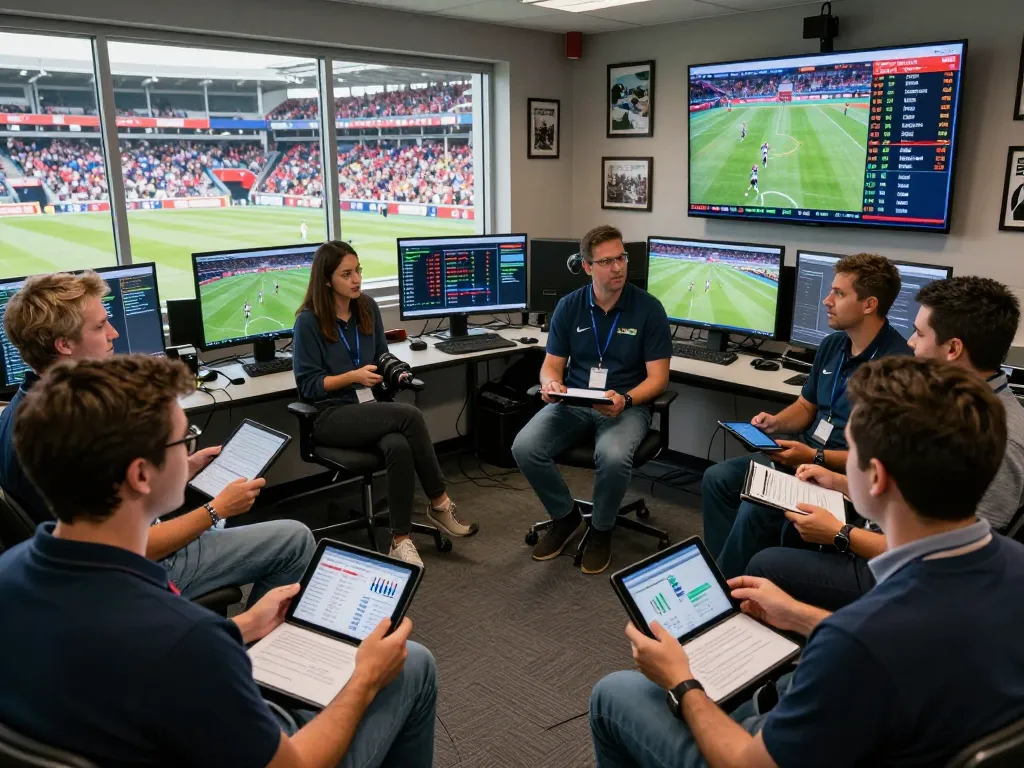
Engaging scene of sports broadcasting with hosts delivering live updates in a high-tech studio.

Elevating Audience Engagement Through Effective Sports Broadcasting

In today’s fast-paced world, Sports Broadcasting has emerged as a crucial aspect of how audiences engage with their favorite sports. It encompasses a wide range of processes, including the live coverage of events, the production of sports analysis, and the integration of viewer interactions. This article delves into the intricacies of sports broadcasting, offering comprehensive insights into its components, challenges, and best practices aimed at enhancing audience engagement.

Understanding Sports Broadcasting

Definition of Sports Broadcasting

Sports broadcasting refers to the live dissemination of sports events through various platforms, such as television, radio, and the internet. This practice involves a combination of visual and audio elements to provide audiences with a captivating experience of sports events. Effective sports broadcasting not only conveys the action as it unfolds but also incorporates analysis, commentary, and viewer engagement to enhance the viewing experience.

History and Evolution of Sports Broadcasting

The origins of sports broadcasting can be traced back to the early 20th century when radio first provided live commentary of sports events. This marked a transformative moment in audience engagement, as fans could follow their favorite teams and athletes from afar. With the advent of television in the 1950s, sports broadcasting evolved, featuring live footage that brought audiences closer to the action.

As technology advanced, so did the methods of broadcasting. The introduction of cable television in the 1980s increased the number of sports channels available, leading to a wider variety of sports being covered. The digital revolution further changed the landscape, with online platforms now capable of streaming live events, catering to the demand for immediate and accessible content. Today, social media and mobile applications have also contributed to the evolving nature of sports broadcasting, allowing fans to interact in real-time during events.

The Role of Technology in Sports Broadcasting

Technology plays an instrumental role in sports broadcasting, providing tools that enhance both the viewing experience and the production of content. Innovations such as high-definition cameras, drones, and augmented reality have transformed the way sports events are depicted. These technologies enable broadcasters to offer immersive experiences that not only showcase the action but also provide in-depth analyses and angles previously impossible.

Moreover, data analytics has become a pivotal aspect of contemporary sports broadcasting. Broadcasters are now able to analyze player statistics, team performances, and even audience engagement metrics in real-time, thereby enriching the viewer experience through informed commentary and tailored content. This integration of technology is essential in keeping audiences engaged and informed.

Key Components of Effective Sports Broadcasting

Quality Commentary and Analysis

One of the defining elements of effective sports broadcasting is high-quality commentary and analysis. Viewers expect insightful commentary that not only covers the action but also provides context and analysis of the events as they unfold. Broadcasters must strike a balance between delivering factual updates and engaging storytelling, allowing audiences to connect personally with the event.

Expert analysts play a crucial role in enhancing broadcast quality by breaking down game strategies and player performances, giving viewers new perspectives on the ongoing action. This multifaceted commentary approach helps to create an immersive experience that captivates audiences and keeps them returning for more.

Visuals and Audio Elements

The visual and audio elements of sports broadcasting are vital to its effectiveness. Aesthetically pleasing graphics, high-quality sound, and well-timed replays enhance the overall experience, allowing for a deeper understanding of the game. Apart from providing coverage of gameplay, broadcasters must ensure that audio cues—like the roar of the crowd and the sounds of the sport—are integrated effectively into the broadcast to convey the atmosphere of live sporting events.

Additionally, utilizing various camera angles, such as aerial shots and close-ups, can provide unique perspectives that keep viewers engaged. Integrating interactive graphics showing player stats, scores, and game timelines can further enhance viewer engagement.

Live Event Coverage Strategies

Effective live event coverage strategies are crucial for ensuring that audiences remain captivated throughout the broadcast. This involves meticulous planning and execution, from pre-game coverage to post-game analysis. Broadcasters should employ techniques such as expert commentary, player interviews, and fan interactions to maintain an engaging narrative.

Moreover, managing pacing during a live event is key. Broadcasters need to be adept at knowing when to move between different storylines and when to cut to player stats or replays, creating a seamless flow of relevant information without overwhelming the audience.

Challenges in Sports Broadcasting

Handling Live Broadcast Interruptions

Live broadcasting is inherently susceptible to interruptions, whether due to technical issues or unforeseen events, such as weather changes or player injuries. Broadcasters must be well-prepared to handle these interruptions with professionalism and grace. Establishing protocols for quick fixes, employing backup systems, and implementing contingency plans are critical to minimize disruptions and maintain audience engagement.

Furthermore, maintaining transparency with the audience during interruptions—such as providing updates on delays—can foster trust and keep the audience informed, even when the broadcast is interrupted.

Meeting Audience Expectations

Today’s audiences are highly discerning, with elevated expectations for sports broadcasts. Viewers demand not only high-quality visuals and audio but also engaging narratives and immediate access to information. To meet these expectations, broadcasters must continuously innovate and adapt their content delivery methods.

Regularly seeking audience feedback can provide valuable insights into viewer preferences and expectations. By analyzing trends and adjusting programming strategies accordingly, sports broadcasters can increase satisfaction and loyalty among viewers.

Adapting to Technological Changes

The landscape of sports broadcasting is continually transforming, driven by rapid technological advancements. Broadcasters must stay abreast of these changes and adopt new tools and techniques efficiently. For instance, effective use of social media and streaming platforms can enhance engagement, while the incorporation of VR and AR can provide unique audience experiences.

Additionally, ongoing training for staff in the latest technologies and trends is essential for maintaining a competitive edge in the industry. Embracing a culture that values innovation and adaptability can ensure that broadcasters remain relevant and appealing to their audiences.

Best Practices for Sports Broadcasters

Engaging with the Audience

Effective audience engagement is the backbone of successful sports broadcasting. Broadcasters should create opportunities for viewer interactions before, during, and after broadcasts. This can be accomplished through Q&A sessions, fan polls, and social media engagement that invites fan opinions and reactions.

Incorporating audience feedback into broadcasts, such as featuring fan tweets or live reactions, creates a sense of community, fostering loyalty among viewers. Tailoring content to audience preferences can lead to increased engagement and viewership.

Collaborating with Sports Teams

Building strong partnerships with sports teams and leagues can significantly enhance the quality of sports broadcasts. Collaboration enables broadcasters to access exclusive content, player interviews, and behind-the-scenes footage that enrich the viewer experience. Mutual promotion between broadcasters and teams can also expand reach and foster a larger audience.

Furthermore, working closely with teams allows broadcasters to better understand the sport, its players, and its culture, enabling them to craft broadcasts that resonate with fans.

Utilizing Social Media Platforms

In the digital age, social media platforms offer unique opportunities for sports broadcasters to interact with audiences. Utilizing platforms like Twitter, Facebook, Instagram, and TikTok can enhance engagement by sharing highlights, conducting live chats, and posting polls related to live events.

Moreover, creating shareable content—such as memes, short videos, and infographics—allows broadcasters to reach wider audiences and generate buzz around sports events. Consistently engaging users on social media helps maintain relevance and fosters connections between fans and broadcasters.

Measuring Success in Sports Broadcasting

Key Performance Indicators

Success in sports broadcasting can be quantified through various key performance indicators (KPIs). Metrics such as viewership numbers, audience retention rates, and engagement levels on social media can provide insight into a broadcast’s effectiveness. Furthermore, analyzing demographics and viewer preferences can assist broadcasters in tailoring content to optimize reach and appeal.

Monitoring these KPIs regularly allows broadcasters to identify trends and make informed decisions about future programming and marketing strategies.

Audience Feedback and Adaptation

Gathering audience feedback is paramount for understanding viewer experiences and areas for improvement. Surveys, social media engagement, and direct audience interactions can provide valuable insights that broadcasters can use to adapt their content approaches.

Moreover, tracking positive and negative audience sentiments can help broadcasters create a more tailored viewing experience, ensuring content aligns with viewer interests and preferences—ultimately leading to increased satisfaction.

Future Trends in Sports Broadcasting

The future of sports broadcasting promises exciting developments driven by continual advancements in technology and shifting audience preferences. Innovations such as immersive augmented reality experiences, enhanced interactivity through mobile applications, and increased use of data analytics are expected to shape the industry.

Furthermore, emerging platforms and formats, including eSports broadcasting, will likely expand the definition and scope of sports broadcasting. Broadcasters who remain agile and adapt to these changes will be positioned to maximize audience engagement while ensuring they provide valuable and enriching content.

Frequently Asked Questions (FAQs)

What is sports broadcasting?

Sports broadcasting pertains to the live transmission of sports events through television, radio, or online platforms, providing audiences real-time engagement with sports.

How has technology changed sports broadcasting?

Technology has enhanced sports broadcasting via high-definition visuals, data analytics for commentary, and online streaming platforms which improve viewer access and experience.

What are key components of effective sports broadcasting?

Effective sports broadcasting includes quality commentary, engaging visuals, audio elements, and highly organized strategies for live event coverage to captivate audiences.

What challenges do broadcasters face?

Broadcasters face challenges such as handling live interruptions, meeting evolving audience expectations, and adapting to rapid technological changes in the industry.

What best practices should sports broadcasters follow?

Best practices include engaging with audiences through social media, collaborating with sports teams, and constantly adapting content based on viewer feedback and trends.